20/04/24
What’s the biggest thing your brand has done for women?
(a reflection on our culture of Corporate Social (ir)Responsibility)
BY KINGSLEY OBOM-EGBULEM
“It is risky being a woman. That was what dawned on me on January 8, 2009- the day we lost a very wonderful woman”.
We were still basking in the euphoria that welcomed the new year when news of her demise filtered in. We were frozen, literally. It was one painful death that still hurts. She probably would be alive today if she weren’t a woman. I can bet on that.
She wanted a child. But had this uterine fibroid that needed to be taken out so she could conceive. She went under the knife and didn’t make it back. Her husband has since remarried and had three lovely kids with his “second” woman.
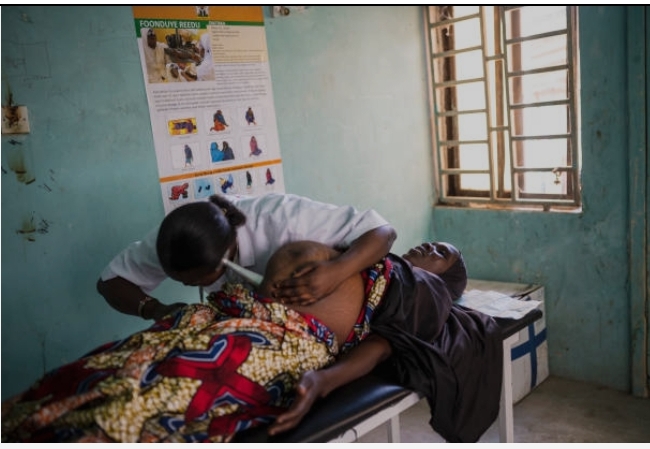
Another friend (a fantastic broadcaster and voice over artist) died eight years ago due to ‘postpartum hemorrhage’ that’s excessive bleeding after birth. Her doctor was clueless.
That is the life of a woman.
Just like the case of the chicken and bacon in the making of omelette ;one donates an egg, the other has to die.
Hence, my conclusions about the mystery of womanhood; a mystery attested to by the complex, sophisticated and delicate configuration of the feminine gender.
This mystery clearly assumes a burdensome albeit dangerous dimension as she transitions from womanhood to motherhood.
So, here is a creature “allotted” some disease conditions based on her physiological makeup. From endometriosis, to ovarian cancer, breast cancer, cervical cancer, postpartum hemorrhage, rhesus factor complication, to uterine fibroids, Interstitial Cystitis, Polycystic Ovary Syndrome (PCOS), and then the inevitable, almighty menopause.
You definitely don’t have to bother about any of these diseases if you are a man, and have no woman in your life. But these are the cross you must carry if you came into this world as a female. You’re sentenced to this dicey life.
Endometriosis is the most disturbing of them all. It sets off even before your life begins with excruciatingly painful menstrual flow. And then the pain and anguish becomes your second nature until way into your forties.
Now to the core of this dialogue. Is there anything your brand or your organisation is doing to draw attention to these issues?
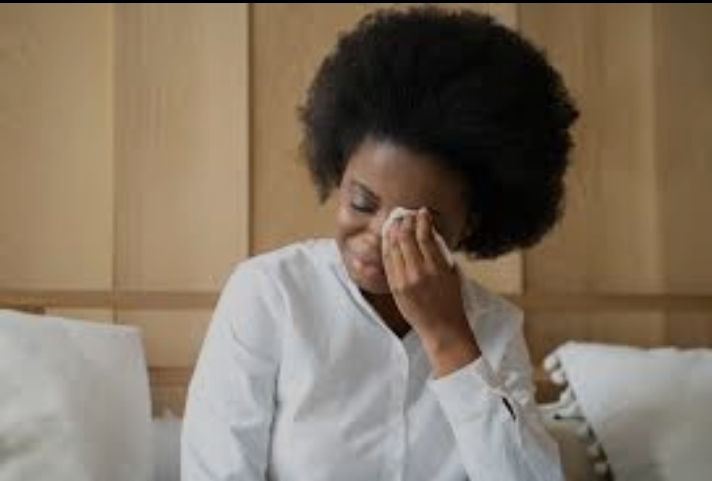
I didn’t understand Postpartum Depression—another danger most women have had to confront in the course of child bearing. I never knew PD had such a devastating impact on women. This condition makes pregnancy, childbirth, and even motherhood look like suicide mission.
It took the loss of a lady close to me this year to truly understand how terrible this condition could be. Coincidentally, she passed on a few weeks before International Women’s Day and Mother’s Day. It was a tragic loss.
And while I was mulling over this potentially devastating condition, I found out that another lady-an even closer female friend, only recently had a close shave with postpartum depression. She got so bruised, her mom is now raising her baby.
“Uncle K, I couldn’t resume work for three years after I had my baby” she said.
“Jesus Christ!” I screamed as she scrolled through her phone and showed me photographs of herself; before she put to bed, a few months after delivery and what she looked like now.
Worldwide, about 10% of pregnant women (that is 100 out of every 1000) and 13% of women who have just given birth experience a mental disorder, primarily depression.
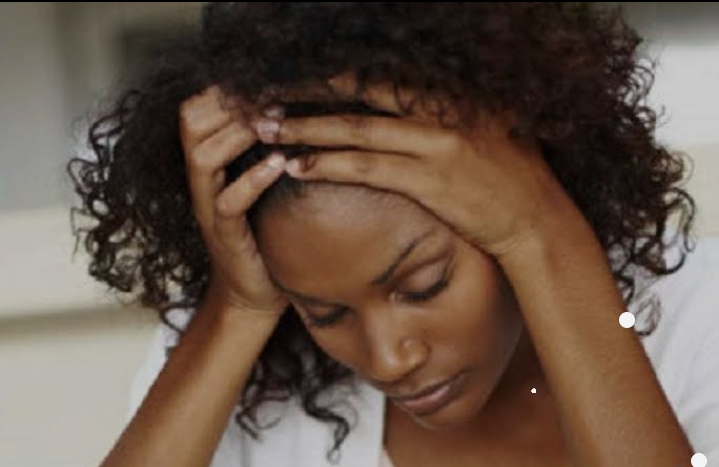
Postpartum depression is not a character flaw or a weakness. It is simply a complication of giving birth.
If left untreated, it can last for months or longer, sometimes becoming an ongoing depressive disorder. Like in the case of my friend, the woman could have issues returning to work or functioning normally in things they used to find fulfillment in.
Mothers may stop breastfeeding, have problems bonding with and caring for their infants, and be at increased risk of suicide. Even when treated, postpartum depression increases a woman’s risk of future episodes of major depression.
My friend has already given up having kids.
“And what is your company doing about lending a voice towards addressing this condition?”
My friend works as senior brand manager in her company. I couldn’t understand how a woman would go through such a tough moment in her life, return to work and not do something about it in her capacity.
“I understand that your brand is not a ‘feminine brand’ but couldn’t you have taken advantage of the International Women’s Day or Mother’s Day to draw attention to this same problem that you have only just survived?” I chided her.
She stared at me for a while and then the sense in what I was saying dawned on her.
“Sir, that’s not the direction of our CRS policy”. And I ask “would heaven’s fall, would it erode your brand if you invest significant funds to support interventions around early detection of breast cancer, raise awareness about postpartum depression, endometriosis, treatment for uterine fibroids and ovarian cancer?
Is it a crime to put some money on these issues, while funding climate change issues or bankrolling so-called influencers who only promote drug and substance abuse in the name of entertainment?
I was celebrating that Coca-Cola had spent over $137m in sponsorship as founding partners of the Special Olympics since 1968 until date. Only for me to realise that a brand in Nigeria has supported a Polo tournament for over 100 years.
Wow! That’s a record. But I couldn’t find out how this brand has invested consistently over this period in saving the lives of women.
We are still not sure how safe it is for women to ride in BRT Buses in Lagos at night. It took the death of Oluwabamise Ayanwole to realise this. The 22 year old fashion designer was abducted, raped and murdered, allegedly by the driver of the BRT bus she boarded on February 26, 2022. We’ve all moved on since then. Bamise would be alive today if she weren’t a woman. That is how risky is to be a woman.
The plights of women living with disabilities is national shame. I was told about one of such women (a 20-year-old lady with cerebral palsy) who was raped by a neighbour. Her family didn’t realise it until her pregnancy became obvious. The suspect got away with it because the lady couldn’t talk. You can then imagine the level of sexual assault blind women go through when not protected.

Their plight depicts us as a callous, uncaring people. But would your brand support or fund an intervention for such women? Oops, I remember, such stuff doesn’t align with your CRS policy. Your brand is more concerned with the Oscars, Rugby and Polo. That’s fine. Kontinu!
 Dara Network TV