16/01/26
Thrombosis: Causes, Clinical Manifestations, Conventional Management, and Integrative Herbal Medicine Perspectives
By Livy-Elcon Emereonye

One of the main causes of preventable death around the world is blood clots. Being aware saves lives!
Thrombosis remains a leading cause of morbidity and mortality worldwide, underpinning major cardiovascular events such as stroke, myocardial infarction, and pulmonary embolism. It arises from complex interactions between vascular injury, blood flow abnormalities, and hypercoagulability. While conventional management relies heavily on anticoagulant and thrombolytic therapies, increasing attention is being directed toward integrative approaches that include lifestyle modification and evidence-based herbal interventions. This article provides a comprehensive academic review of thrombosis, encompassing its pathophysiology, risk factors, clinical presentation, diagnosis, and management, while critically examining the role of integrative and herbal medicine as adjunctive strategies in thrombosis prevention and long-term vascular health.
- Introduction
Thrombosis is a pathological process characterized by the formation of a blood clot within the vascular system, leading to partial or complete obstruction of blood flow. Globally, thrombotic disorders account for a substantial proportion of cardiovascular deaths, with venous thromboembolism (VTE) alone affecting millions annually (World Health Organization [WHO], 2023).

Modern lifestyles—marked by physical inactivity, metabolic diseases, chronic inflammation, and aging populations—have significantly amplified the burden of thrombotic diseases. Although pharmacological interventions have improved outcomes, they are associated with limitations such as bleeding risk, drug interactions, and long-term dependency. Consequently, there is growing interest in integrative approaches that combine conventional medicine with lifestyle, nutritional, and herbal strategies aimed at restoring vascular balance and reducing thrombotic risk.
- Definition and Classification of Thrombosis
A thrombus is an intravascular aggregation of platelets, fibrin, and blood cells that forms under pathological conditions. Thrombosis is broadly classified into:
2.1 Arterial Thrombosis
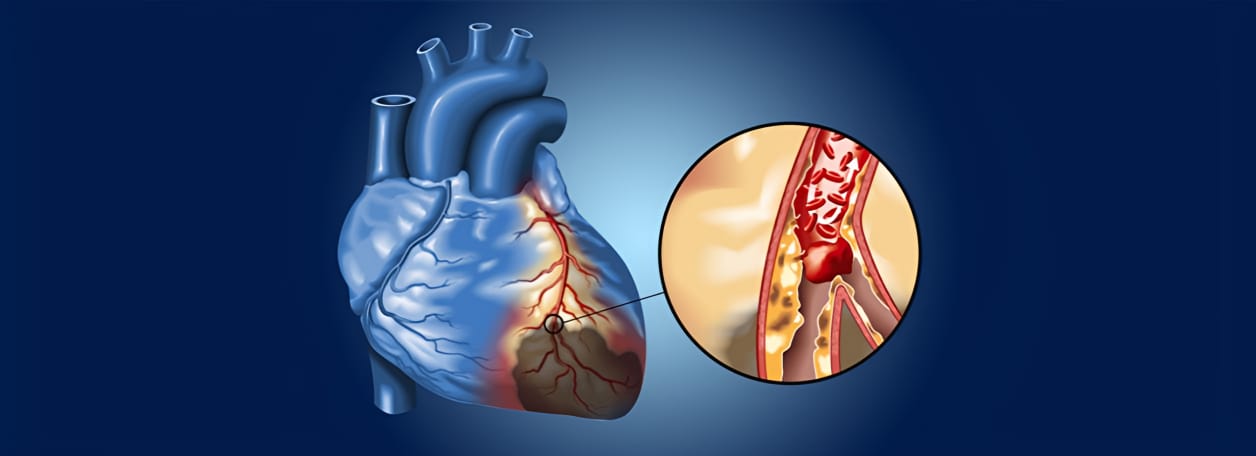
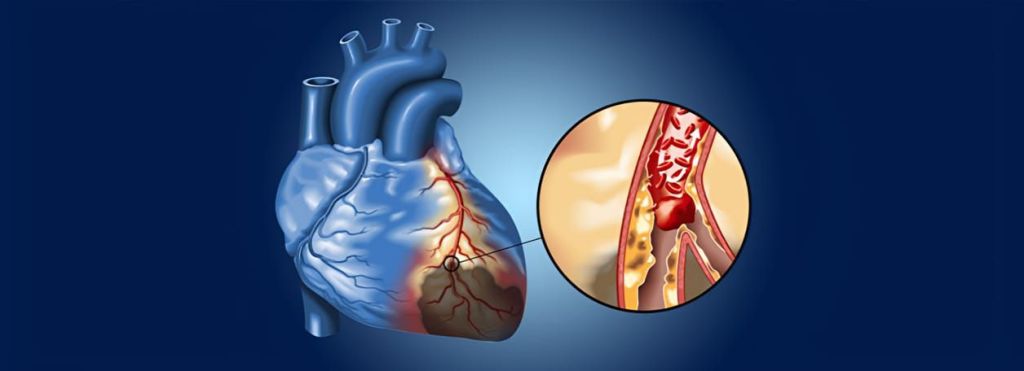
Arterial thrombosis typically occurs on ruptured atherosclerotic plaques and is platelet-rich. It is the principal mechanism behind:
- Ischemic stroke
- Myocardial infarction
- Peripheral arterial disease
2.2 Venous Thrombosis
Venous thrombosis is fibrin-rich and commonly manifests as:
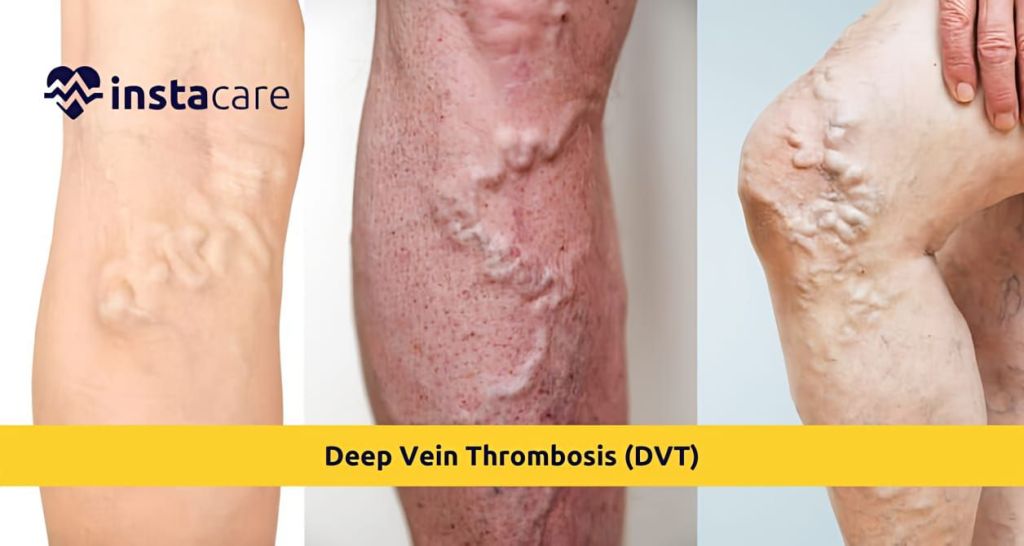
- Deep vein thrombosis (DVT)
- Pulmonary embolism (PE)
Venous thromboembolism represents a major cause of preventable hospital mortality.
- Pathophysiology: Virchow’s Triad
The development of thrombosis is classically explained by Virchow’s triad, which includes:
3.1 Endothelial Injury
Damage to the vascular endothelium exposes subendothelial collagen and tissue factor, activating platelet adhesion and the coagulation cascade. Causes include:
- Atherosclerosis
- Hypertension
- Smoking
- Surgical trauma
- Chronic inflammation
3.2 Abnormal Blood Flow
Stasis or turbulence disrupts laminar flow, facilitating clot formation. This is common in:
- Prolonged immobilization
- Long-haul travel
- Heart failure
- Varicose veins
3.3 Hypercoagulability
Hypercoagulable states may be inherited or acquired and include:
- Genetic thrombophilias
- Malignancy
- Pregnancy and oral contraceptive use
- COVID-19–related coagulopathy
- Chronic inflammatory disorders
- Clinical Manifestations
The clinical presentation of thrombosis depends on the affected vascular territory.
4.1 Deep Vein Thrombosis
- Unilateral leg swelling
- Pain or tenderness
- Local warmth
- Skin discoloration
4.2 Pulmonary Embolism
- Sudden dyspnea
- Pleuritic chest pain
- Tachycardia
- Hemoptysis
- Syncope or sudden death in massive PE
4.3 Arterial Thrombotic Events
- Stroke: facial asymmetry, hemiparesis, aphasia
- Myocardial infarction: chest pain, diaphoresis, nausea, radiation to arm or jaw
- Diagnostic Approaches
Diagnosis involves a combination of:
- Clinical risk assessment tools (e.g., Wells score)
- Laboratory tests (D-dimer)
- Imaging modalities:
-Doppler ultrasonography
-CT pulmonary angiography
-Magnetic resonance imaging
- Conventional Management of Thrombosis
6.1 Anticoagulant Therapy
Anticoagulants remain the cornerstone of thrombosis management:
- Unfractionated heparin
- Low-molecular-weight heparins
- Vitamin K antagonists (warfarin)
- Direct oral anticoagulants (DOACs)
6.2 Thrombolytic Therapy
Reserved for life-threatening cases, thrombolytics actively dissolve clots but carry significant hemorrhagic risk.
6.3 Interventional and Surgical Management
- Catheter-directed thrombectomy
- Inferior vena cava filters in selected cases
- Integrative and Herbal Medicine Perspective
7.1 Rationale for Integrative Approaches
Integrative medicine seeks to address thrombosis not only as an acute event but as a manifestation of systemic vascular dysfunction, chronic inflammation, oxidative stress, and metabolic imbalance. Herbal medicine may contribute through:
- Antiplatelet activity
- Anti-inflammatory effects
- Improvement of endothelial function
- Modulation of lipid metabolism
7.2 Evidence-Based Medicinal Plants
Garlic (Allium sativum)
Garlic has demonstrated antiplatelet, fibrinolytic, and lipid-lowering effects. Studies indicate that garlic extracts reduce platelet aggregation and improve endothelial function (Bordia et al., 1998; Rahman & Lowe, 2006).
Ginger (Zingiber officinale)
Ginger inhibits thromboxane synthesis and platelet activation, offering mild antithrombotic effects (Verma et al., 1993).
Turmeric (Curcuma longa)
Curcumin exhibits anti-inflammatory and anticoagulant properties through inhibition of platelet aggregation and modulation of inflammatory pathways (Aggarwal & Harikumar, 2009).
Ginkgo (Ginkgo biloba)
Ginkgo improves microcirculation and reduces platelet-activating factor activity, making it relevant in cerebral and peripheral vascular disorders (Smith et al., 1996).
Omega-3 Fatty Acids
Although not herbal in origin, omega-3s from plant and marine sources reduce platelet aggregation and systemic inflammation (Mozaffarian & Wu, 2011).
7.3 Safety and Clinical Integration
Herbal interventions should be regarded as adjunctive, not substitutes for anticoagulant therapy. Potential interactions—especially with warfarin and DOACs—necessitate professional supervision. Standardization, dosage regulation, and pharmacovigilance remain essential.
- Prevention and Lifestyle Integration
An integrative thrombosis prevention strategy includes:
- Regular physical activity
- Anti-inflammatory diets
- Weight management
- Smoking cessation
- Stress reduction
- Adequate hydration
These measures align with both conventional preventive cardiology and traditional holistic health systems.
- Conclusion
Thrombosis is a multifactorial vascular disorder with profound public health implications. While conventional pharmacotherapy remains indispensable, integrative and herbal medicine offers promising complementary strategies aimed at prevention, vascular protection, and long-term health optimization. A scientifically grounded, patient-centered integrative model—anchored in evidence, safety, and interdisciplinary collaboration—represents a sustainable future direction in thrombosis management.
References
Aggarwal, B. B., & Harikumar, K. B. (2009). Potential therapeutic effects of curcumin. International Journal of Biochemistry & Cell Biology, 41(1), 40–59.
Bordia, A., Verma, S. K., & Srivastava, K. C. (1998). Effect of garlic on platelet aggregation. Prostaglandins, Leukotrienes and Essential Fatty Acids, 58(4), 257–263.
Mozaffarian, D., & Wu, J. H. (2011). Omega-3 fatty acids and cardiovascular disease. Journal of the American College of Cardiology, 58(20), 2047–2067.
Rahman, K., & Lowe, G. M. (2006). Garlic and cardiovascular disease. Journal of Nutrition, 136(3), 736S–740S.
Smith, P. F., Maclennan, K., & Darlington, C. L. (1996). Ginkgo biloba extracts for cognitive impairment. Journal of Ethnopharmacology, 50(3), 131–139.
Verma, S. K., Singh, M., Jain, P., & Bordia, A. (1993). Effect of ginger on platelet aggregation. Indian Journal of Medical Research, 98, 240–242.
World Health Organization. (2023). Cardiovascular diseases (CVDs): Fact sheet. WHO.
 Dara Network TV