I believe the Lord gave me the following portion of Scripture, Job 5:19–22, to strengthen you. Let’s take a closer look at the first verse: “He shall deliver you in six troubles, yes, in seven no evil shall touch you.”
Now, I have read this verse a number of times before, but the Lord quickened this Scripture in me, so let me share this fresh insight with you. I want to specially address those who have been greatly discouraged in the area of protection. Perhaps you have experienced a very difficult or even tragic event, or are going through a very challenging situation right now. Can I encourage you to build your faith upon His promises and not upon your experiences?
The Word of God says that in this world, we will have trouble (John 16:33). The fact that God declares in His Word that He will deliver us from troubles tells us that we will experience troubles. But God wants us to know that the more we hear preaching on Psalm 91, the more we quote it and remind ourselves of the Lord’s protection daily, the more our faith in His protection will grow.
Faith comes from “hearing, and hearing by the word of Christ” (Rom. 10:17 NASB). The more we hear, the more we believe! The more we claim and pray the prayer of protection, the more we will walk in its blessings.
That is the intention of my teachings on Psalm 91—to saturate you with the hearing and hearing of the Lord’s protection promises for your life until your faith is robust and overflowing.
My dear reader, deliverance from trouble is fantastic, but there is a promise that is even greater, and that is when you are at that place where “no evil shall touch you.” That’s my prayer for you and your loved ones.
While we live in dangerous times, we have an almighty God who watches over us. May we all increase and have a progressive revelation of the Lord’s protection in these last days.
While none of us, myself included, are there yet, we are on a journey of faith, of walking fully in the promises of God’s protection. Let’s give thanks to the Lord for His deliverance from all our troubles as we continue to believe we will come to the place where no evil will touch our loved ones and us!
The Bible tells us that God has made us “accepted in the Beloved.” The Beloved here refers to Jesus and the word “accepted” means “given special honor” or “highly favored.”
My friend, because you have Jesus who is God’s Beloved, and you are found in Him, you are also God’s beloved son or daughter, deeply loved and highly favored by Him!
Now, because you are highly favored by God in the Beloved, you can expect to have favor with your spouse, children, colleagues, clients, and yes, even your in-laws! When you speak, people listen. When you step into a room, it lights up. Everything you touch is blessed and increased.
Beloved, as the apple of God’s eye, expect good things to happen to you each day. Expect divine protection because His favor surrounds you like a shield. Expect every need to be met by the One who highly favors you. Expect good, because you are precious in His eyes!
Today’s Word Today’s Scripture “So I will restore to you the years that the swarming locust has eaten.” Joel 2:25, NKJV
The Restorer Of Years You may feel like you’ve been in a season of lost years. You’ve invested so much in your business, in accomplishing your dream, or in dealing with an illness, but it looks like it was wasted. The locusts came in and ate up your harvest. Stay encouraged. Payback is coming. God is keeping the records. He’s going to restore opportunities that you missed, relationships that are not what they should be, the years you struggled with depression or loneliness. He’s even going to restore the years you lost not making good decisions, giving in to compromise. You don’t have to live in regrets, thinking you missed your season, that it’s too late to accomplish your dreams or have good relationships with your family. God knew we would make mistakes. He’s not going to just redeem you; He’s going to redeem the time. He’s going to give you another chance. Don’t believe the lies that you’re too old, you’ve made too many mistakes. You wouldn’t be reading this if God wasn’t about to restore all those harvests that belong to you but you missed out on.
A Prayer for Today “Father, thank You that nothing is too hard for You to work out in my life, not even the time I’ve lost in the past for many different reasons. Thank You that You work in ways so far beyond anything I can think or imagine. Help me believe that You will restore what I’ve lost. In Jesus’ Name, Amen
SECTION TWO
What are your eyes fixed on today? Are they focused on the darkness that is in the world? Or are they fixed on the Lord’s promises for your life?
My chief intention here is to turn your eyes away from the destruction you see every day, and to turn them to our beautiful Lord Jesus.
Do you know what Caleb’s secret to long life was? The passage above tells us that it was found in simply following the Lord. Hebron was the name for one of the cities of refuge in the Bible. In Hebrew, “Hebron” means fellowship or association. This speaks of intimacy, closeness, and connection with the Lord.
There is no formula to long life. It’s all about having an intimate relationship with Jesus. Our Lord Jesus is the way, the truth, and the life. He came that we might have life and have it more abundantly. Follow Him and find the path to a long and abundant life.
Don’t forget that everything Caleb experienced was under the old covenant. His renewal of youth and unabated strength and vigor were all experienced under the old covenant. How much more should we be experiencing this renewal of youth, boundless energy, and length of days under the new covenant of grace that is established on better promises (Heb. 8:6)!
In a psalm that Moses wrote, it says, “The days of our lives are seventy years; and if by reason of strength they are eighty years” (Ps. 90:10). Some people have used this to teach that our expected lifespan is therefore between seventy and eighty years.
But it is important we interpret this psalm in the context of the children of Israel being in the wilderness and under God’s wrath. We have also seen that even under the old covenant, Caleb transcended this lifespan and was still going strong at eighty-five years old.
So dear reader—you who are under the new covenant—I encourage you to aim high. Don’t settle for living till just seventy or eighty years old, when God has promised, “With long life I will satisfy him, and show him My salvation” (Ps. 91:16, boldface mine).
Your satisfaction is the limit and according to your faith, be it unto you. I pray that as you stay close to our Lord Jesus, you will live long, live strong, and live under the protective covering of His wings.
The Appointment of a Nigerian, Prof Martins Emeje as Co-Chair of the world health organisation ‘s Strategic and Technical Advisory Group on Traditional, Complementary and Integrative Medicine (STAG TM) has been described as a significant milestone for Nigeria’s contribution to global health governance in traditional Medicine.
Professor Martins Emeje, who is currently the Director General of the Nigeria Natural Medicine Development Agency (NNMDA) was appointed alongside Dr Susan Wieland, Director at Cochrane Complementary Medicine, United States of America, following a rigorous global selection process.
The World Health Organisation recently constituted STAG TM is a 19-member expert body to guide the implementation of the Global Traditional Medicine Strategy 2025 to 2034.
The advisory group is tasked with providing independent scientific and technical guidance to the WHO on research priorities, evidence generation, policy development, norms, and standards for the safe and effective integration of traditional medicine into national health systems, an area of healthcare that continues to gain global relevance.
Professor Martins Emeje’s appointment as Co-Chair of the WHO advisory group is a strong affirmation of his years of dedicated service to evidence-based traditional medicine.
This recognition according to some health experts also places Nigeria in a respected position within global health leadership, a field that directly affects millions worldwide and underscores the importance of aligning indigenous knowledge with scientific rigour to strengthen healthcare delivery.
Today’s Word Today’s Scripture Therefore, as we have opportunity, let us do good to all people, especially to those who belong to the family of believers. Galatians 6:10, NIV
Do Good to All Joseph spent thirteen years helping other people solve their problems, doing the right thing even though everything he was experiencing wasn’t fair. When he was being his best as a slave in charge of the household of Potiphar, when he was being his best as a prisoner in charge of the prison, when he was being his best interpreting the dreams of fellow prisoners and then Pharaoh, God was watching. He saw Joseph making sacrifices to be good to others, and He promoted him to being the prime minister of Egypt.
Sometimes the reason you can’t solve your own problems is because what you need is found in solving someone else’s problem. God sees you helping others when you need help, encouraging a friend when you need encouragement, praying for a neighbor’s healing when you’re fighting an illness. While you’re helping others, what you can’t see is that God is helping you. As you help someone else shine, He is going to make sure that you shine. You don’t know the blessings that are connected to you helping someone else rise higher.
A Prayer for Today “Father, thank You that You give me the opportunity to help other people solve their problems. Help me to keep my eyes open for the people You bring me to serve and bless. I believe that as I take my hands off my own problems, You will put Your hands on them and help solve them. In Jesus’ Name, Amen.
I like how the King James Version translates Ruth 2:3: “and her hap was to light on a part of the field belonging unto Boaz” (boldface mine). The Hebrew word for “to come to” and “to light on” is qarah. And the Hebrew word for “happened” and “hap” is miqreh, which comes from the word qarah.
Incidentally, the word happy comes from the old English word “hap,” which is why when happenings happen the way you want them to happen, you are happy!
I don’t know how many times I have heard testimonies from people who happened to meet an old friend in need and were able to minister to the friend, or who happened to have been delayed or who happened to change their original plans and, because of that, were protected from danger.
My friend, none of those things happened by accident or coincidence. It was the Lord giving them eth and qarah—putting them at the right place at the right time!
This is reflected in a praise report from Sandy, who lives in Singapore.
Before I drive, I always make it a point to pray for protection. On March 31, I prayed as usual before I started driving toward the city.
I got stuck in heavy traffic and the cars were inching forward toward a major traffic junction. Like many motorists, I got impatient and was disappointed when the traffic light turned red just as I was approaching the junction. Then, I heard a strange sound of something cracking, and I was shocked as a huge old tree fell and hit the roof of the car right in front of me, creating a huge dent in its roof and shattering the rear windscreen.
By God’s grace, the driver of the car emerged unscathed. Needless to say, I was very grateful to God when I realized that He had placed me at the right place at the right time so that I wasn’t hurt.
I am very thankful to Jesus for His divine protection. Without His wings of protection over me, I may not even be alive today. Thank You, Jesus!
Even with something as mundane as driving on the road, which many of us do every day, we need to make it a point to pray for the Lord’s protection. Let’s not put our trust in our daily routines, our skills, or our limited ability to foresee danger. Our trust must be in the Lord’s protection.
Integrative Health and Integrative Medicine: What They Are and What They Are Not
By Livy-Elcon Emereonye
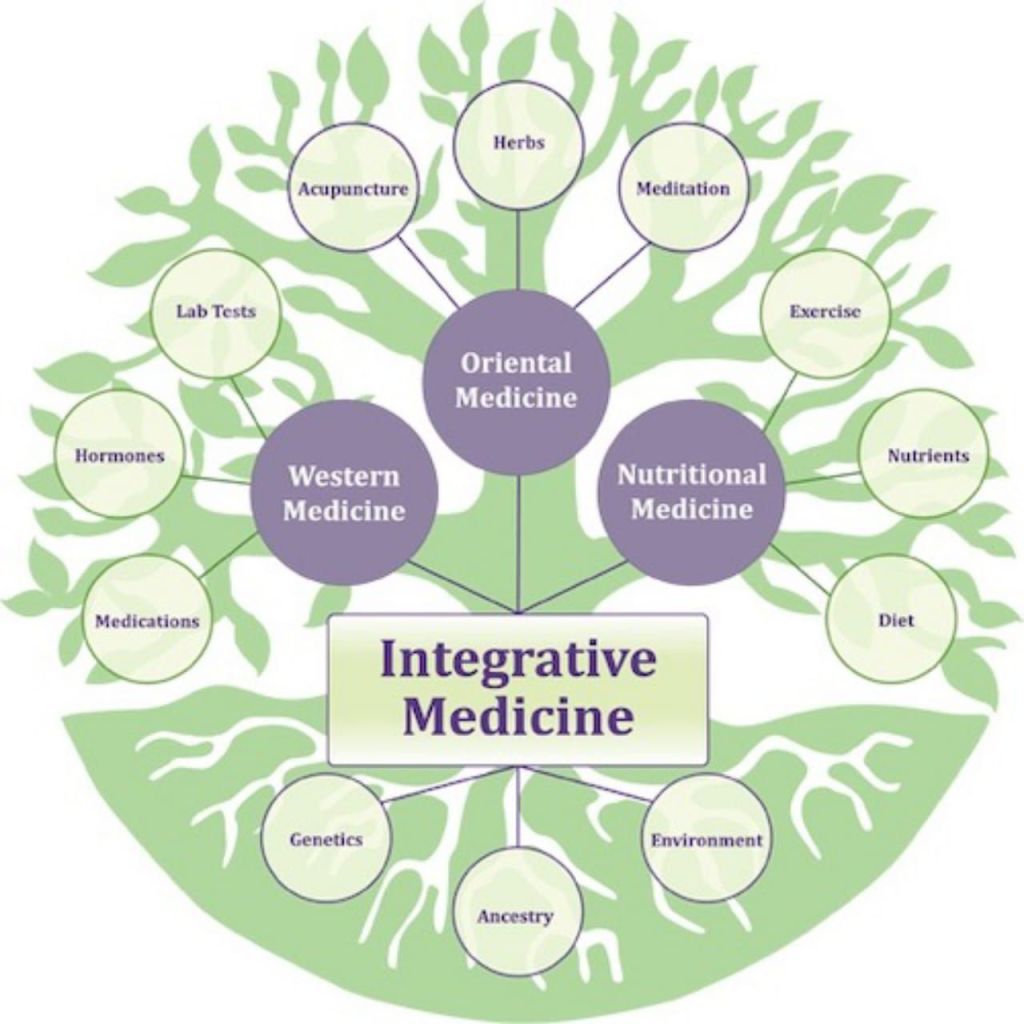
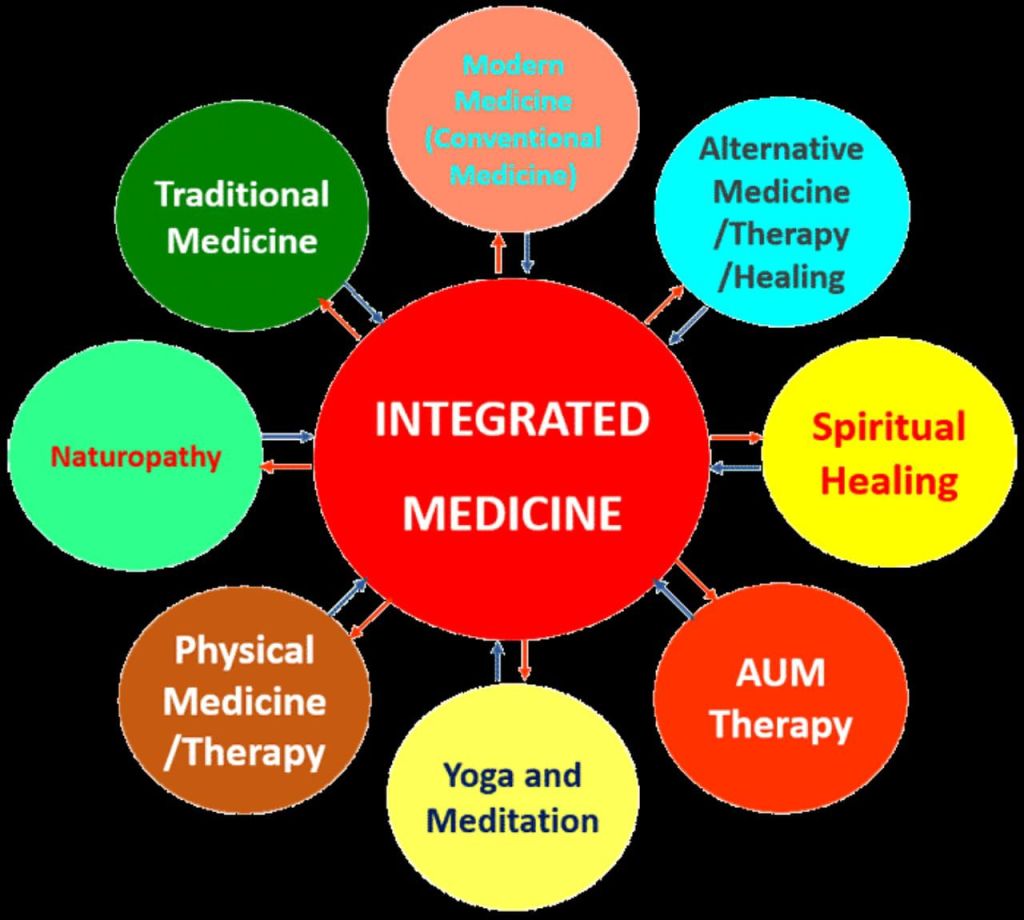
In recent decades, there has been a global shift from disease-centered care toward approaches that emphasize wellness, prevention, and whole-person healing. This transformation has brought terms like integrative health and integrative medicine into mainstream conversation. While often used interchangeably, they are not the same. Both share the philosophy of treating the person as a whole rather than focusing solely on disease, but their scope, application, and practice differ. Understanding what they truly mean — and what they do not — is essential for practitioners, educators, and the public as the world moves toward more holistic and evidence-informed models of care.
The Evolution of Integrative Approaches
The origins of integrative care lie in humanity’s oldest healing traditions. Ancient medical systems — such as Ayurveda, Traditional Chinese Medicine, and African herbal medicine — emphasized balance, prevention, and connection between the body, mind, and environment. Modern biomedicine, on the other hand, has focused heavily on disease diagnosis and intervention, often leaving out the psychosocial and spiritual dimensions of health.
Over time, limitations of this reductionist model became evident. The rise of chronic, lifestyle-related diseases — such as hypertension, diabetes, obesity, and depression — revealed that pharmacological treatments alone are not enough. People began seeking complementary therapies like acupuncture, yoga, herbal remedies, and mindfulness-based stress reduction, often alongside conventional care.
From this convergence emerged the concept of integrative medicine — a field that seeks to bring together the best of conventional and complementary practices, grounded in science, compassion, and whole-person care.
What Is Integrative Health?
Integrative health refers to the broad, holistic approach to achieving and maintaining wellbeing. It is a philosophy of health promotion that recognizes the dynamic interaction between biological, psychological, social, and spiritual factors. The goal of integrative health is not simply the absence of disease but the creation of optimal vitality, resilience, and quality of life (NCCIH, 2022).
Integrative health addresses the whole person — body, mind, and spirit — within the context of family, community, and environment. It emphasizes prevention, lifestyle change, and patient empowerment. In practice, it involves promoting nutrition, physical activity, stress management, sleep hygiene, social connection, and emotional wellbeing.
For example, an integrative health initiative may include workplace yoga programs, mindfulness training in schools, or nutrition counseling in community health centers. These programs aim to foster health literacy, prevent disease, and enhance collective wellbeing.
In other words, integrative health is a movement and philosophy focused on how to live well and stay well — a public health and community-centered approach to wellness.
What Is Integrative Medicine?
Integrative medicine, on the other hand, is a clinical practice model that combines conventional medical treatments with evidence-based complementary and traditional therapies. It is practiced by qualified health professionals — physicians, naturopathic doctors, nurses, chiropractors, herbalists, and others — who use both modern biomedical science and traditional healing systems to treat the individual holistically.
The Academic Consortium for Integrative Medicine and Health defines integrative medicine as “the practice of medicine that reaffirms the importance of the relationship between practitioner and patient, focuses on the whole person, is informed by evidence, and makes use of all appropriate therapeutic approaches” (Consortium, 2021).
In integrative medicine, the clinician works collaboratively with the patient to create a personalized plan that might include both pharmaceutical and non-pharmaceutical interventions. For example, a patient with hypertension may receive standard antihypertensive drugs along with lifestyle coaching, stress reduction techniques, and herbal adaptogens. Similarly, a cancer patient undergoing chemotherapy might use acupuncture and mind-body therapies to relieve nausea and anxiety.
The emphasis is on safe, coordinated, and evidence-informed care, where therapies are chosen based on scientific validation and patient preference, rather than ideology.
The Common Ground Between Them
Both integrative health and integrative medicine share several foundational principles:
Whole-person orientation: Recognizing the interconnectedness of body, mind, spirit, and environment.
Evidence-informed practice: Integrating therapies supported by credible research, while remaining open to emerging evidence.
Personalized care: Tailoring interventions to the individual’s unique biology, culture, and values.
Prevention and lifestyle focus: Promoting habits that prevent disease and sustain wellbeing.
Patient empowerment: Encouraging individuals to become active participants in their healing journey.
These shared values make integrative approaches powerful tools for both personal and societal health transformation.
How They Differ
Despite their philosophical alignment, integrative health and integrative medicine differ in scope, setting, and focus.
Aspect Integrative Health Integrative Medicine
Scope Broad, community and population level Clinical and individual level Primary Goal Health promotion and disease prevention Diagnosis and treatment of illness Practitioners Wellness coaches, educators, public health workers, community healers Licensed clinicians (MDs, NDs, herbalists, etc.) Approach Lifestyle modification, education, community programs Evidence-based combination of conventional and complementary therapies Example Workplace mindfulness and exercise initiatives Using acupuncture with chemotherapy to reduce side effects
Essentially, integrative health is the philosophy of wellbeing, while integrative medicine is the clinical expression of that philosophy.
What They Are Not
Clarifying what integrative health and integrative medicine are not is equally important.
They are not alternative medicine. Integrative care does not reject conventional medicine; it complements it. The aim is to use the best available evidence from all healing traditions to benefit the patient.
They are not unscientific. Although they draw from traditional practices, integrative approaches rely on evidence-based validation. For instance, mindfulness-based stress reduction (MBSR) has strong empirical support for anxiety and chronic pain management (Kabat-Zinn, 2013).
They are not symptom-focused. Integrative care seeks to address the root causes of illness — lifestyle, stress, environment, and emotional imbalance — rather than simply masking symptoms.
They are not a quick fix. True healing is a process. Integrative care emphasizes long-term behavior change, prevention, and balance.
They are not exclusive to one profession. Integrative models are collaborative, involving doctors, nurses, herbalists, psychologists, dietitians, and spiritual counselors working together.
The Evidence Base for Integrative Practice
A growing body of research supports integrative approaches in both clinical and community settings. The World Health Organization (WHO, 2023) advocates integrating traditional and complementary medicine into national health systems to enhance accessibility and holistic care.
Studies show that combining conventional and complementary therapies can improve outcomes in chronic pain, cancer care, cardiovascular disease, anxiety, and depression (Lake & Spiegel, 2018). For example, mind-body therapies like yoga and tai chi enhance physical function and reduce stress. Nutritional interventions and herbal medicine have demonstrated benefits in metabolic and inflammatory disorders (Ulbricht et al., 2020).
Importantly, integrative medicine places strong emphasis on patient safety. The use of herbal and natural products is carefully evaluated for interactions with pharmaceuticals, and interventions are chosen based on both scientific evidence and traditional wisdom.
Global Perspectives
Across the world, health systems are beginning to embrace integrative models.
In the United States, the National Center for Complementary and Integrative Health (NCCIH) funds research and supports academic integrative medicine programs.
In China and India, integration of Traditional Chinese Medicine and Ayurveda with biomedicine is long-established and government-supported.
In Africa, the WHO Regional Office has encouraged collaboration between biomedical and traditional practitioners to improve primary healthcare delivery.
In Europe, integrative oncology and integrative mental health services are increasingly recognized for improving quality of life and reducing healthcare costs.
These global movements highlight that integrative care is not a fringe idea — it is becoming a central pillar of sustainable, patient-centered healthcare.
Integrative Health in Public Health Practice
Integrative health principles align seamlessly with public health goals. Both emphasize prevention, education, and community empowerment. By addressing social determinants of health — such as diet, environment, social support, and mental wellbeing — integrative health offers a pathway to reduce the burden of non-communicable diseases (NCDs).
For instance, lifestyle medicine, a branch overlapping with integrative health, focuses on modifying behavior through nutrition, exercise, sleep, and stress reduction. Community-based yoga and mindfulness programs have been shown to enhance mental health and social cohesion (Creswell et al., 2019).
Integrative health also supports health equity, ensuring culturally sensitive care that respects indigenous knowledge and diverse healing traditions.
Challenges and Misconceptions
Despite growing acceptance, integrative health and medicine face challenges. Some skeptics view them as “soft science” or equate them with unregulated alternative practices. However, credible institutions are increasingly producing rigorous evidence demonstrating their efficacy. The challenge lies in standardization, regulation, and education — ensuring practitioners are qualified and therapies are validated.
Another misconception is that integrative medicine is expensive. In reality, preventive approaches often reduce long-term healthcare costs by minimizing hospital admissions and medication dependency (Dossett et al., 2020).
A final challenge is communication between practitioners. True integration requires open collaboration and respect between biomedical and traditional healers — something still evolving in many systems.
The Future of Healing
The future of healthcare is integrative. As science continues to explore the connections between the body, mind, and environment, integrative health and medicine provide a bridge between tradition and innovation. They remind us that healing is not only about curing disease but about nurturing balance, meaning, and resilience.
Integrative care does not belong to one culture or profession — it belongs to humanity. It is the meeting point of modern science and ancient wisdom, where compassion, evidence, and experience converge for the benefit of all.
Dr. Emereonye could be reached on: +234 803 3922 445
References
Academic Consortium for Integrative Medicine and Health. (2021). About Integrative Medicine. Retrieved from https://imconsortium.org/
Creswell, J. D., Lindsay, E. K., Villalba, D. K., & Chin, B. (2019). Mindfulness training and physical health: Mechanisms and outcomes. Psychosomatic Medicine, 81(3), 224–232. https://doi.org/10.1097/PSY.0000000000000676
Dossett, M. L., Cohen, G. L., Fricchione, G. L., & Benson, H. (2020). Integrative medicine for prevention and wellness. Primary Care: Clinics in Office Practice, 47(3), 447–465. https://doi.org/10.1016/j.pop.2020.05.009
Kabat-Zinn, J. (2013). Full catastrophe living: Using the wisdom of your body and mind to face stress, pain, and illness. Bantam.
Lake, J., & Spiegel, D. (2018). Complementary and alternative treatments in mental health care. American Psychiatric Publishing.
National Center for Complementary and Integrative Health (NCCIH). (2022). What is integrative health? Retrieved from https://nccih.nih.gov/
Ulbricht, C., Chao, W., & Niesen, L. (2020). Evidence-based review of herbal medicines and dietary supplements in cardiovascular disease. Journal of the American College of Cardiology, 75(10), 1239–1254. https://doi.org/10.1016/j.jacc.2020.01.037
World Health Organization (WHO). (2023). WHO global report on traditional and complementary medicine 2023. Geneva: WHO.
Today’s Word Today’s Scripture One thing I do, forgetting those things which are behind and reaching forward to those things which are ahead. Philippians 3:13, NKJV
Continual Forgiveness We all have opportunities to get upset and be offended. A coworker is rude, someone cuts you off in traffic, or a friend leaves you out. It’s easy to get sour, try to pay people back, or hold a grudge. We don’t realize that’s poisoning our life. That offense is like a toxin.
It’s not affecting the other person; it’s souring our joy, taking our peace. The apostle Paul had all kinds of opportunities to live offended. Religious leaders lied about him, some coworkers walked away, others turned against him. But Paul had a system of release. He said, “One thing I’m good at is letting things go, not taking the offense, not dwelling on what happened yesterday. I put all my energies into reaching to what’s up ahead.”
You can’t stop offenses from happening, but you have to continually release the hurts rather than dwell on what someone said or did. If you hold on to that offense, it’s going to keep you living in yesterday and keep you from reaching forward. Forgiveness and letting go should be a continual thing.
A Prayer for Today “Father, thank You for the freedom that comes as I let go of the offenses and negative baggage from the past. Thank You that I can treat those things as dead and buried and focus all my energy on moving forward. Help me become an expert at forgiving. In Jesus’ Name, Amen.”
SECTION TWO
Jesus was the apple of God’s eye. He was God’s darling Son, His infinite joy and delight.
Yet, God gave Jesus up for you. That’s how much God loves you.
Just think about it: If you knew you could save a dying person by giving up something precious to you, would you go as far as to give up your only child whom you dearly love for that person?
Yet, that is exactly what God did to save you. Jesus, His beloved Son, died on the cross to cleanse you, heal you, and redeem you—spirit, soul, and body! That is how precious you are to God!
Would you consider the young man Joseph, who was about to be sold into slavery, “a successful man”?
Of course not!
Yet, God says in His own words that Joseph was a successful man.
God’s definition of success is contrary to the world’s definition. Corporate America measures success based on what you have done, what you have accomplished, and what you have accumulated. It is based entirely on you focusing all your time, energy, and resources in meriting titles and collecting accomplishments.
My friend, I want to encourage you to begin to see that the world’s model of success is unstable and built upon a foundation that is shakable. It may have the appearance of the good life, but it is temporal, and we have all seen for ourselves how the world’s transient wealth can dissipate like smoke and easily slip away like the shifting sands in the desert.
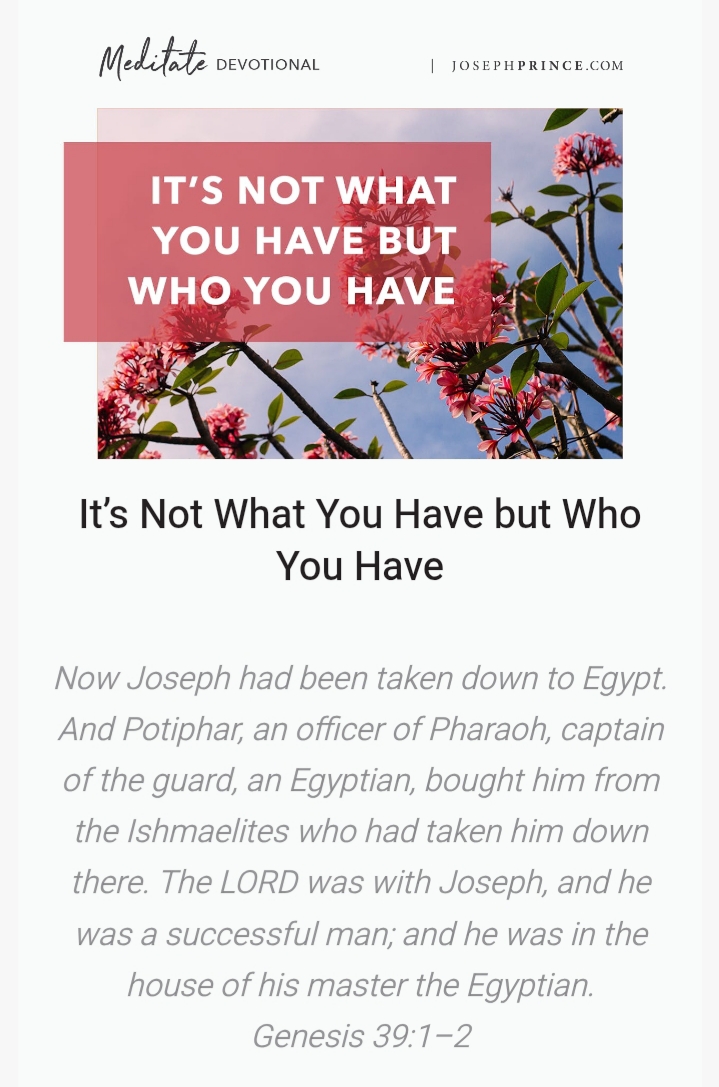
From Genesis 39:2, it is clear that success is not what you have, but rather who you have! Joseph literally had nothing materially, but at the same time, he had everything because the Lord was with him.
The material things that you have accumulated or are feverishly trying to amass do not make you a success. It is the presence of the Lord in your life that makes you a success!
We need to learn to stop pursuing things and to start pursuing Him. God sees your relationship with Him as the only thing that you need for every success in your life.
I can’t imagine starting in a worse place than Joseph. He was completely naked. He had nothing! No bank accounts, no educational qualifications, no natural connections with people of influence, nothing.
Thank God the Bible records a picture of Joseph who began with nothing, so that you and I can have hope today. If you think that like Joseph, you have nothing, well, you can start believing in the power of the presence of the Lord in your life. Start looking to Jesus and claim that promise in that scripture for yourself!
Say, “The Lord is with ME, and I am a successful person.”
Say it a hundred times if you have to, and begin to see this as your reality. Stick this promise on your mirror, and every morning when you brush your teeth, remind yourself that today, as you go to work, as you go to school, as you start the day caring for your children at home (or do whatever it is that you need to do), the Lord is with you.
And because He is with you, YOU ARE ALREADY A SUCCESS! When you have Jesus in your life, you are no longer trying to be a success; you ARE a success!
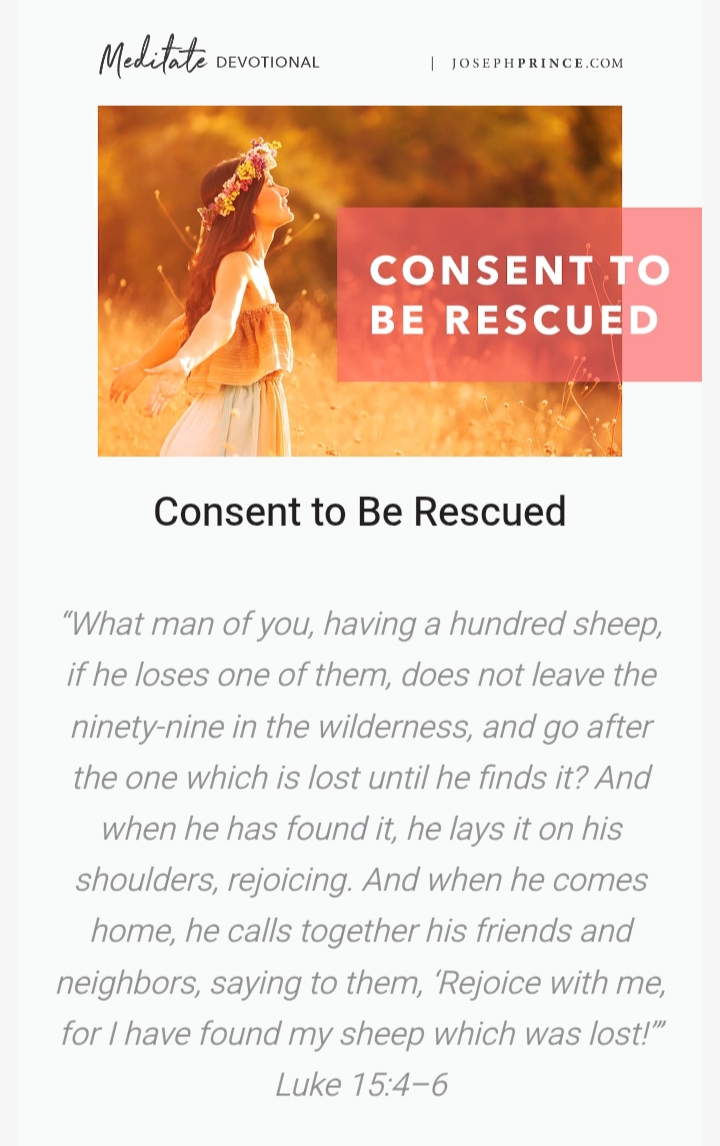
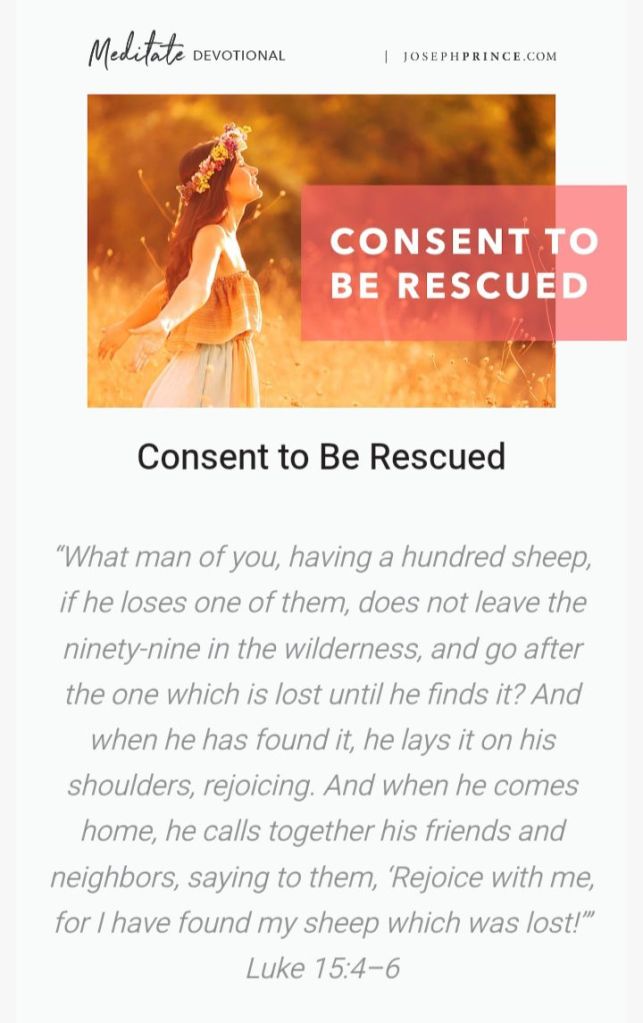
Do you remember the parable of the lost sheep Jesus told in Luke 15? When the shepherd found the lost sheep, he lifted it up and laid it upon his strong shoulders. What did the sheep do? Nothing. It just consented to be rescued by the shepherd.
Jesus calls this consent on the part of the sheep “repentance”—”there will be more joy in heaven over one sinner who repents than over ninety-nine just persons who need no repentance” (Luke 15:7, boldface mine).
That is what God invites us to do today—to consent to be protected. He wants us to be on His shoulders, in the safety of Himself as our impenetrable fortress. In this place, no predator can attack His sheep.
On His shoulders, you are highly exalted above all your troubles, above all danger, all attacks, and far above all principalities and powers. Yes, far above Satan, above all the powers of darkness and the snare of the fowler. On His shoulders, you are far above every sickness, disease, and every name that is named. What a great place to be!
And does the Lord do this grudgingly? Absolutely not. The Bible tells us that the shepherd lays the sheep on his shoulders “rejoicing” (Luke 15:5). Our Lord rescues us with great joy in His heart and a big smile on His face.
Beloved, the safest place you can be today is on His shoulders. Jesus is your city of refuge. In your day of trouble, run to Him!
I pray you’ll anchor your heart on the wonderful verse that encapsulates this: “The beloved of the Lord shall dwell in safety by Him, who shelters him all the day long; and he shall dwell between His shoulders” (Deut. 33:12).
When you make the Lord your refuge and dwelling place, you shall dwell safely in Him and no evil shall befall you, nor shall any plague come near your dwelling!
Today’s Word Today’s Scripture The fear of human opinion disables; trusting in GOD protects you from that. Proverbs 29:25, MSG
Who or What Defines You? We know that God calls us a masterpiece, valuable, fearfully and wonderfully made, but sometimes our circumstances contradict who God made us to be. It’s easy to let our environment change our identity. When we go through unfair situations and disappointments, when people walk away or talk negatively about us, we can lose who we are. We let those circumstances change how we see ourselves. We feel inferior, not attractive, not good enough. We’re adapting to the environment. But your environment doesn’t change what God says about you: “You’re blessed, favored, healthy, and free.” This is what faith is all about. You have to dig down deep and say, “My environment will not define me. I am who God says I am.”
Have you let negative circumstances change your identity? Shake off those lies, break those strongholds, and start seeing yourself as God sees you. You’re a history maker, a barrier breaker, successful, talented, and valuable. The dream God put in your heart is still on the way. You’re still going to become who God created you to be.
A Prayer for Today “Father, thank You that I don’t have to look to someone else to tell me who I am, because You have already told me that I am Your masterpiece and prized possession. I declare that my identity and value is securely in Your hands and I’m not looking to others. In Jesus’ Name, Amen.”
SECTION TWO
In the healing of the woman with the issue of blood, you could say that the woman sneaked up behind Jesus and “stole” her healing! But was Jesus offended? Not at all! In fact, He was so pleased with her boldness that He just had to meet her.
Jesus did not seek her out to rebuke her. No, He sought her out so that He could affirm her with His love and assure her that He wasn’t angry with her for having taken a portion of healing virtue from Him. That’s why He even called her “daughter” and encouraged her to walk in her healing—”Go in peace, and be healed of your affliction.”Beloved, that’s the heart of your Savior. He freely gives out His healing virtue to anyone who will take it from Him. So reach out and take from Him right now and bring pleasure to His heart!














 Dara Network TV